
Cereal cultivation
Cereal cultivation step by step
Cereal cultivation begins with proper seedbed preparation as early as the harvest of the previous crop. Even shredding and spreading of crop residues is the foundation — it affects emergence, soil moisture and subsequent operations.
Contrary to popular belief, cereals have a deep root system — wheat, triticale or barley can reach as deep as 1.2–1.5 m. That is why it is so important that the soil is not compacted and allows free root development. Sowing is carried out at the optimum time, to a depth of about 3–5 cm.
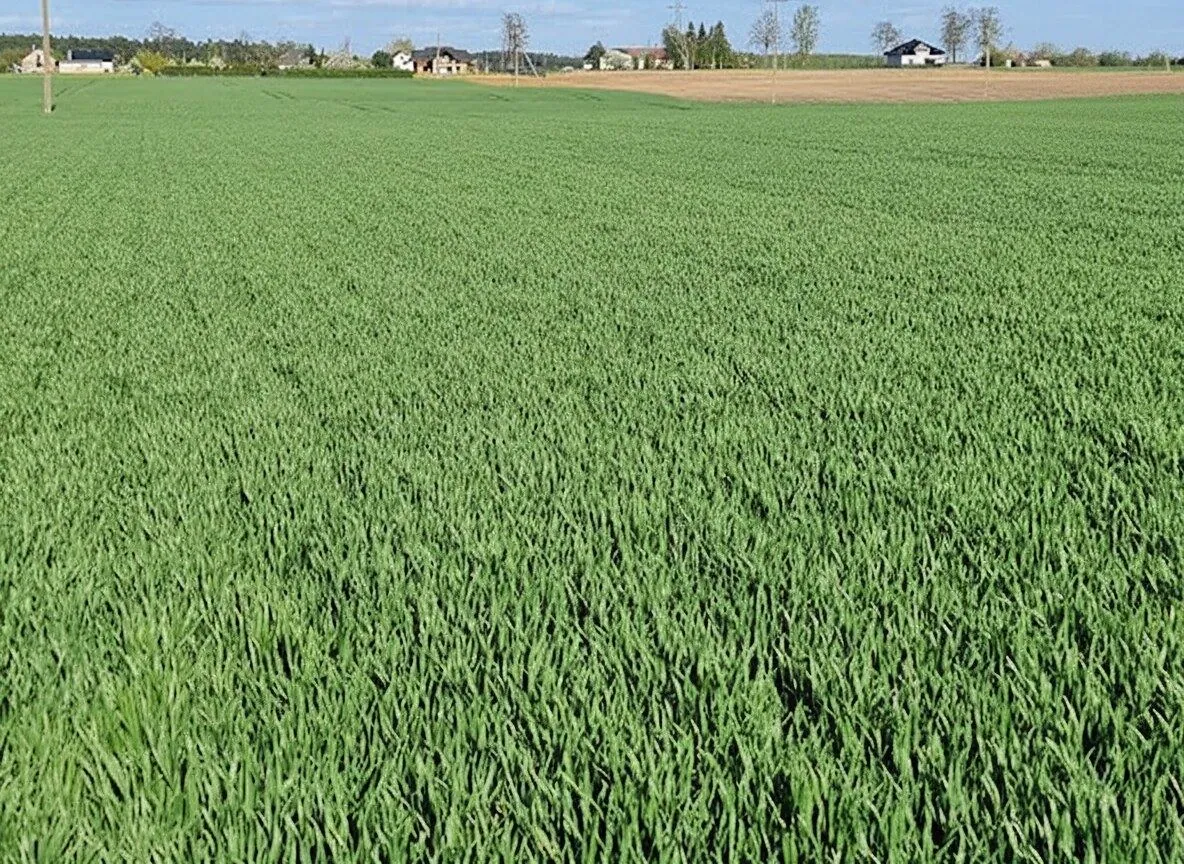
Ploughless cereal cultivation — from farmer to farmer
In traditional practice one of the biggest challenges is hitting the optimum sowing date. The agronomic window is short, and every day of delay can mean a drop in yield potential. Czajkowski ST technology gives a real advantage here — the whole process takes place in a single pass.
During the operation the inter-rows remain undisturbed and covered with mulch, so the soil retains moisture better and keeps its structure. The effects are measurable: a grain yield increase of 5.1% and 14.7% more straw, with around 50% lower fuel consumption, up to 30% less fertilisation and working time reduced by up to 70%.
A single pass of the unit replaces ploughing, pre-sowing cultivation, fertilisation and sowing.
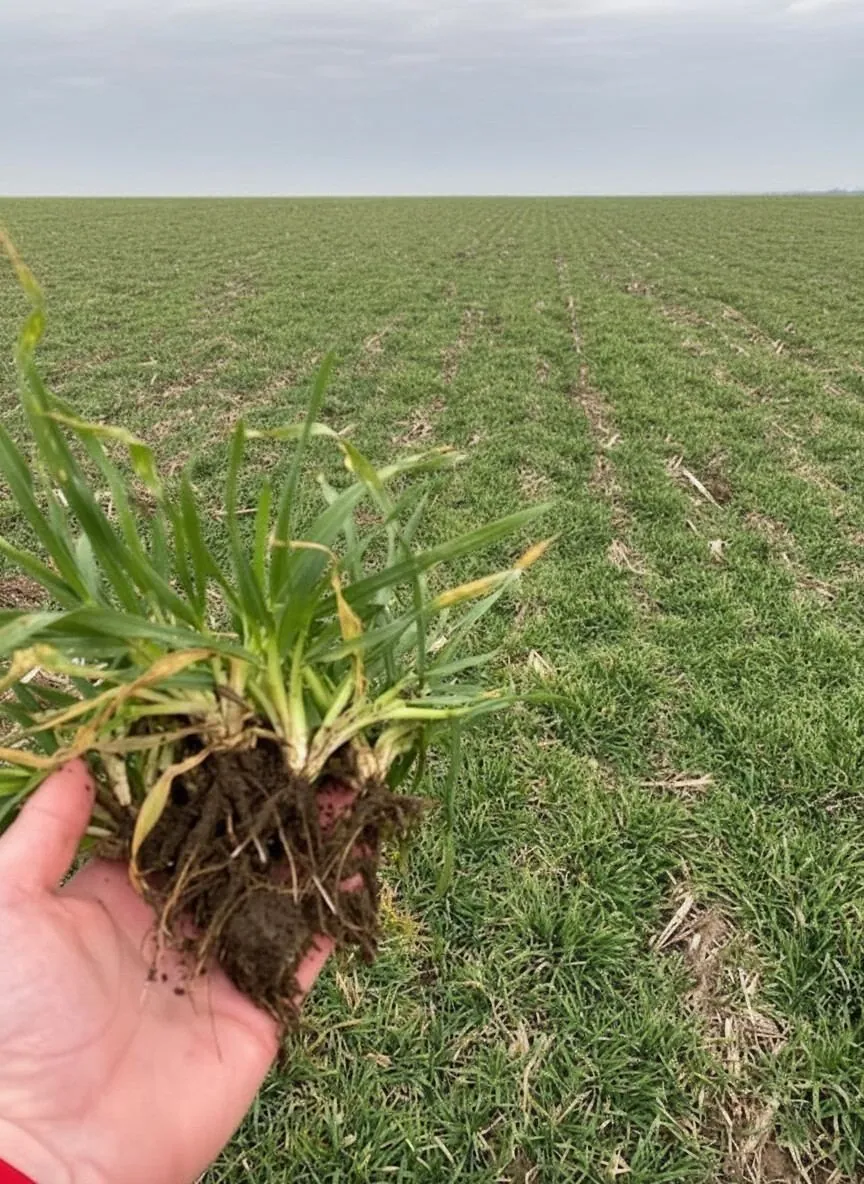
Strip cultivation of cereals — wheat, triticale, barley, oats
Czajkowski ST units — both the ST series for large acreages and the STK for medium-sized farms and contracting companies — enable sowing at any row spacing, adapted to the specific crop.
Sowing in wide strips gives plants more room to develop. Cereals tiller evenly around their own axis, competition within the row is reduced and the stand is better ventilated. This directly translates into plant health and yield stability.
An additional advantage is broadcast sowing in a wide 32 cm strip — the plants then have more free space to grow and form tillers (side shoots).
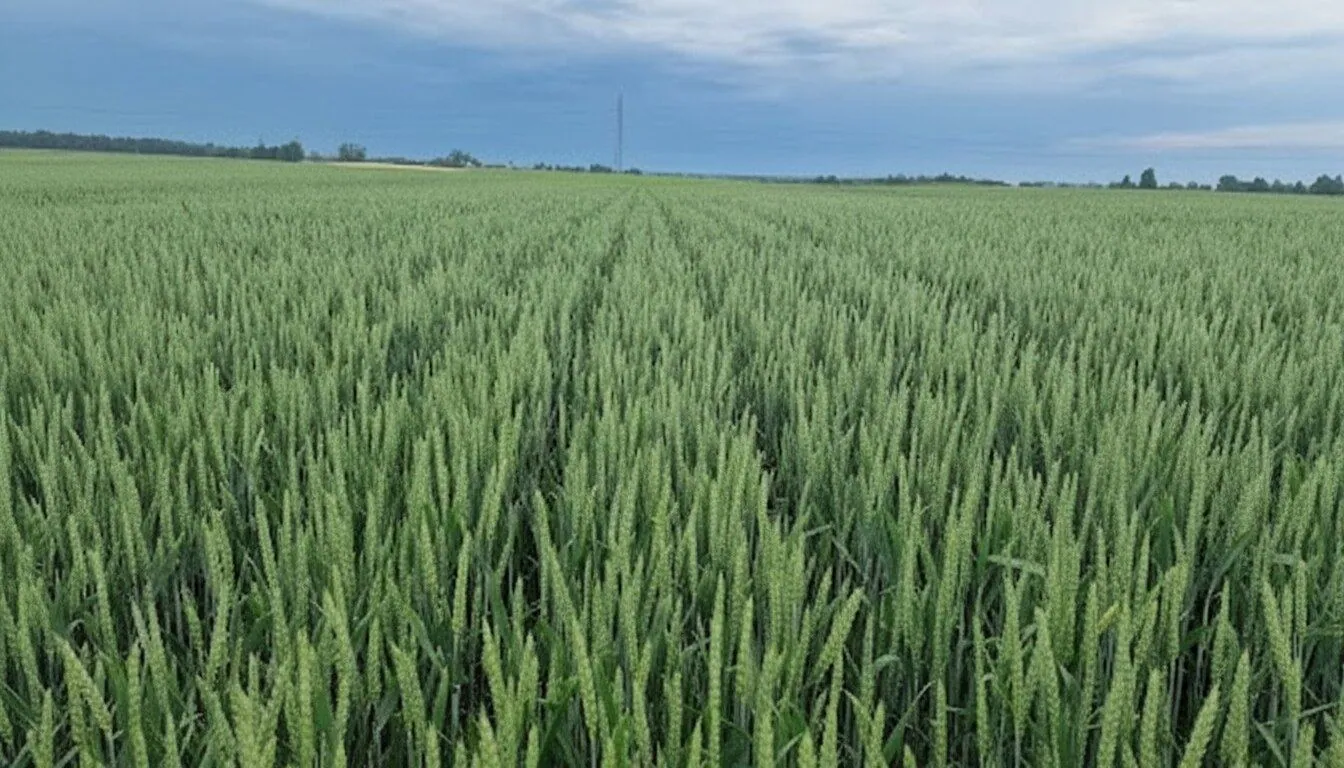
Ploughless cultivation and soil protection
Ploughless cereal cultivation is not only about economics, but also long-term agronomy. The uncultivated inter-rows preserve the natural soil structure, which means:
- No wind or water erosion on the uncultivated surface.
- A higher level of organic matter thanks to mulch from crop residues.
- Active biological life in the soil — earthworms, microorganisms, fungi.
- Higher soil load-bearing capacity in the inter-rows — fewer ruts during harvest.
- Better water retention in the soil profile, which reduces the effects of drought.
Measurable benefits
Results proven in practice on farms using strip-till technology.
precise sub-surface application in the root zone
tillage, fertilising and seeding in a single pass
you cultivate only the seed strip, not the whole field
fewer passes and reduced disturbance of the soil
Cereals with Czajkowski ST technology
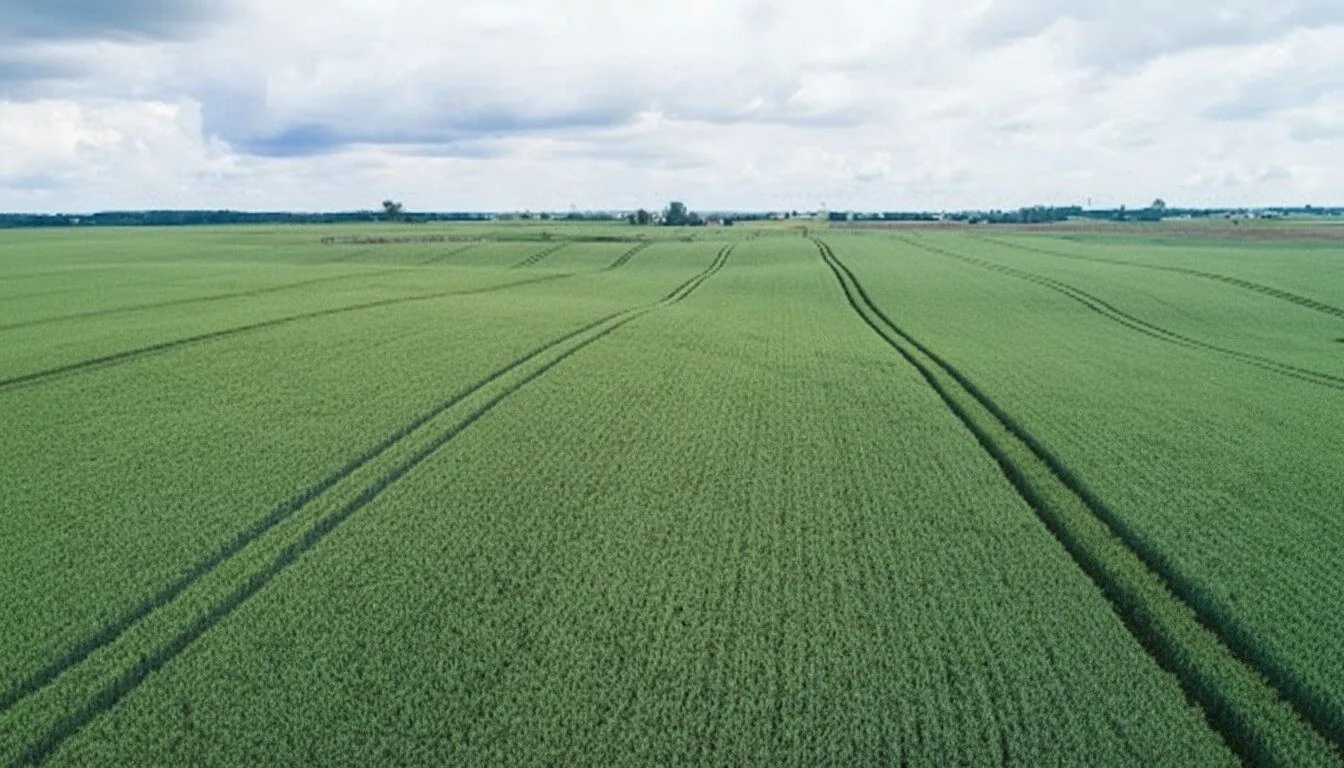
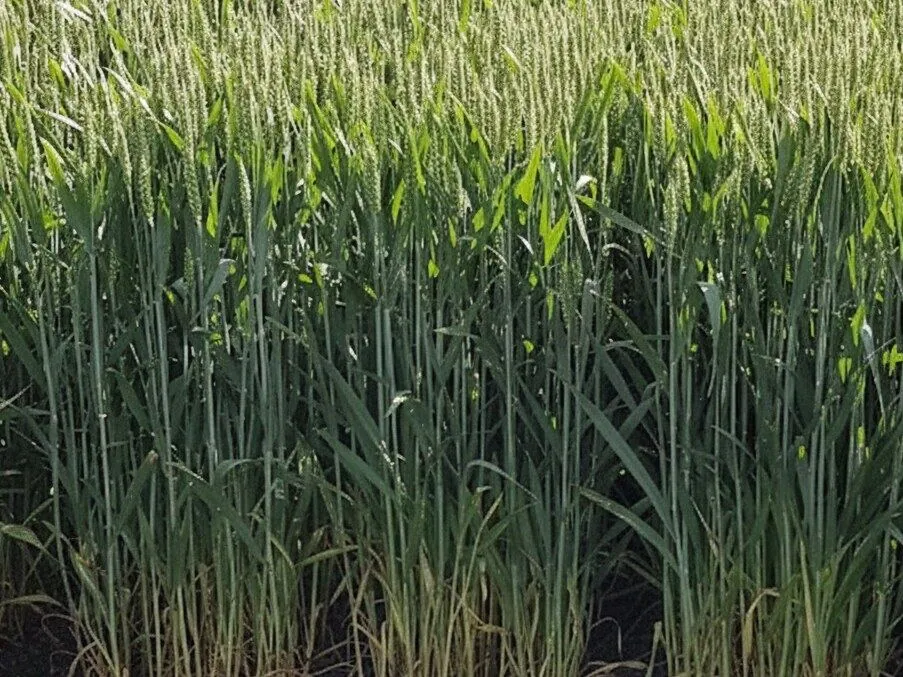
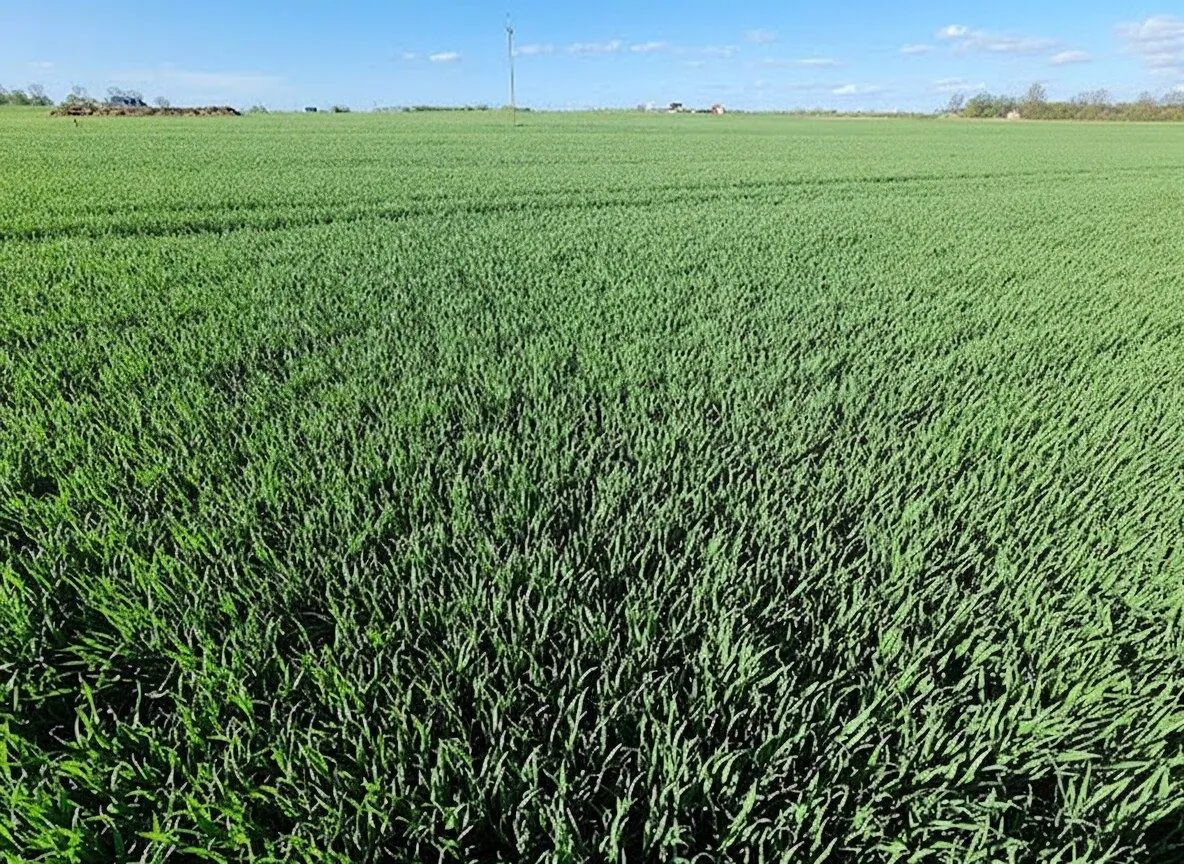
Strip tillage across different crops
Strip-till technology performs well in many crops – from root crops to cereals. Choose a crop to explore the agronomy, benefits and machine selection.

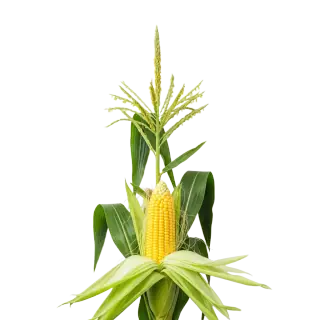
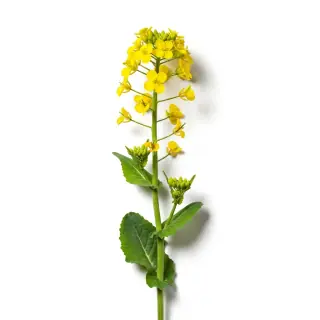



Strip cultivation for cereals
Want to implement strip-till in cereals cultivation?
Tell us your acreage and soil conditions, and we will select a machine or service for cereals cultivation using strip technology — usually the same working day.
Strip cultivation — Cereals

Michał Łuciów
Technical sales advisor
What we'll prepare for you
- – a free consultation and machine selection for your acreage
- – an individual quote tailored to your needs
- – information about available models and subsidies
- – technical support and help choosing the configuration