
Maize cultivation
Maize cultivation step by step
Maize cultivation requires good seedbed preparation and thorough shredding of crop residues so as not to worsen emergence conditions. The soil must be well prepared, free of compaction, because maize is demanding and develops poorly with a limited root system.
Proper fertilisation right from the start and sowing at the optimum time — usually at the end of April, when the soil is 8–10°C — are important. Sowing precision is also crucial, because maize copes poorly with errors in plant density.
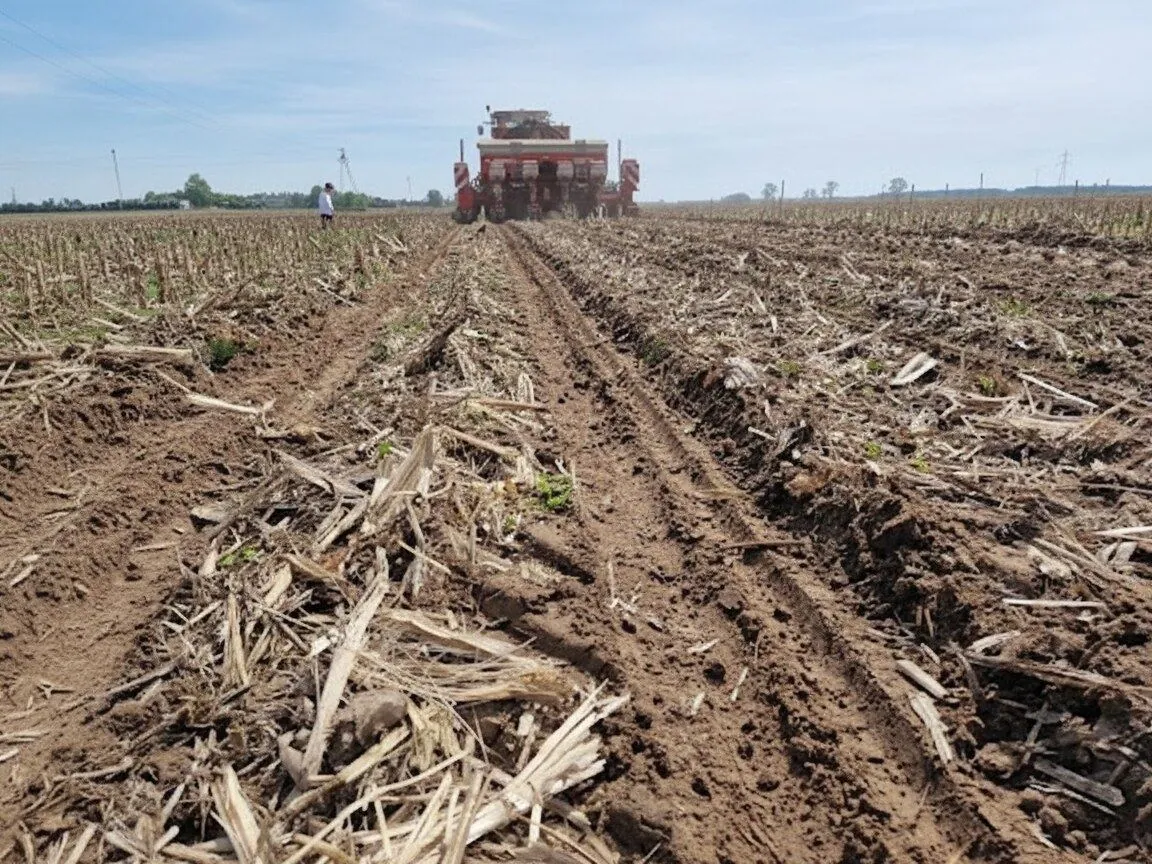
Strip-till maize sowing — the future of farming
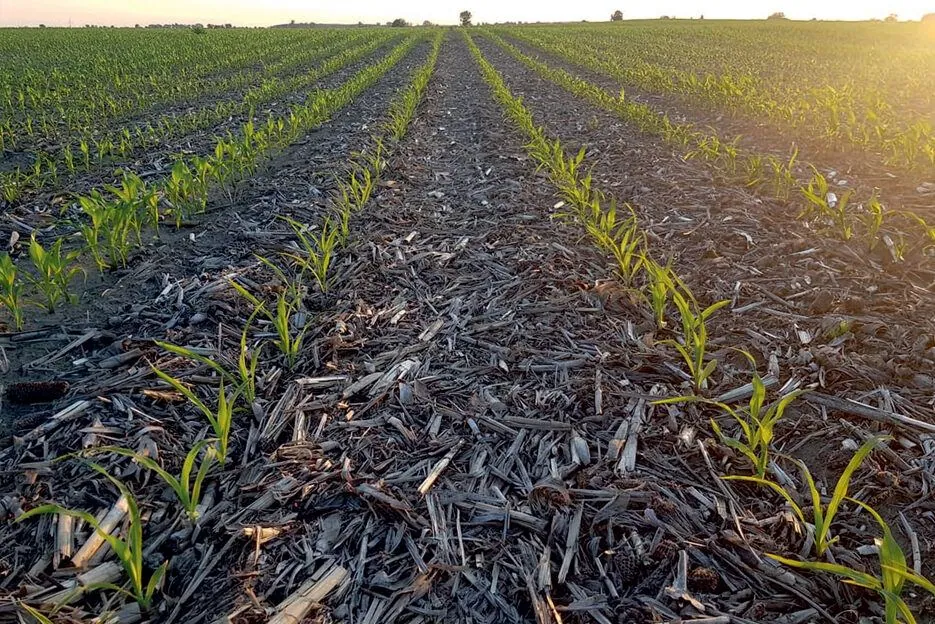
In strip-till technology maize is grown in wide rows, so it takes up less space in the field and the whole enterprise becomes much more profitable. Work is carried out only where the seed will land.
Fertilisers are applied directly beneath the plant, deeper than with a traditional disc coulter (down to about 10 cm). Strip fertilisation to a depth of up to 35 cm translates into better use of nutrients and a far more developed root system — the foundation of a high yield, both for grain and for silage.
Dedicated 80 mm wide maize chisels work down to 35 cm — the result is faster warming of the seeding zone and ideal conditions for germination.
Soil and climate requirements
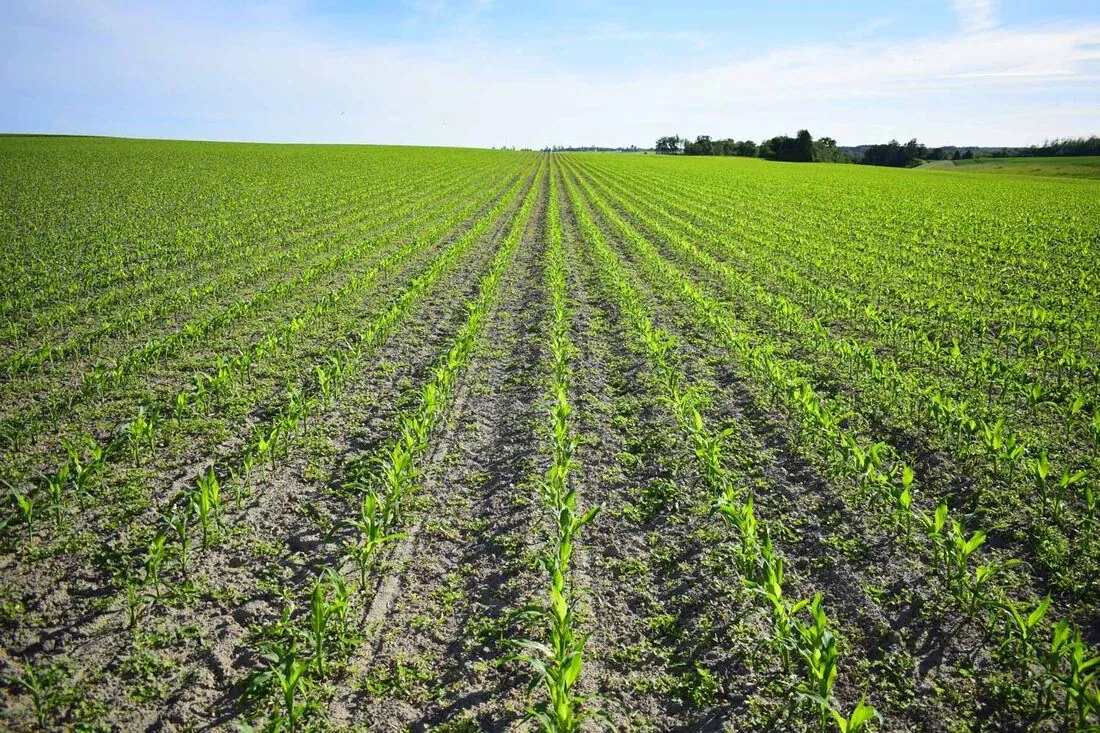
Maize grows best on deeply permeable soils rich in nutrients that warm up well in spring. The growing conditions in the Czajkowski ST system meet these criteria and more:
- Deep strip cultivation (up to 35 cm) eliminates compaction and improves root aeration.
- Mulch in the inter-rows retains moisture — especially important in dry springs and drought years.
- The soil in the seeding strip warms up faster than after full-surface ploughing.
- The biological life of the soil remains undisturbed between the rows.
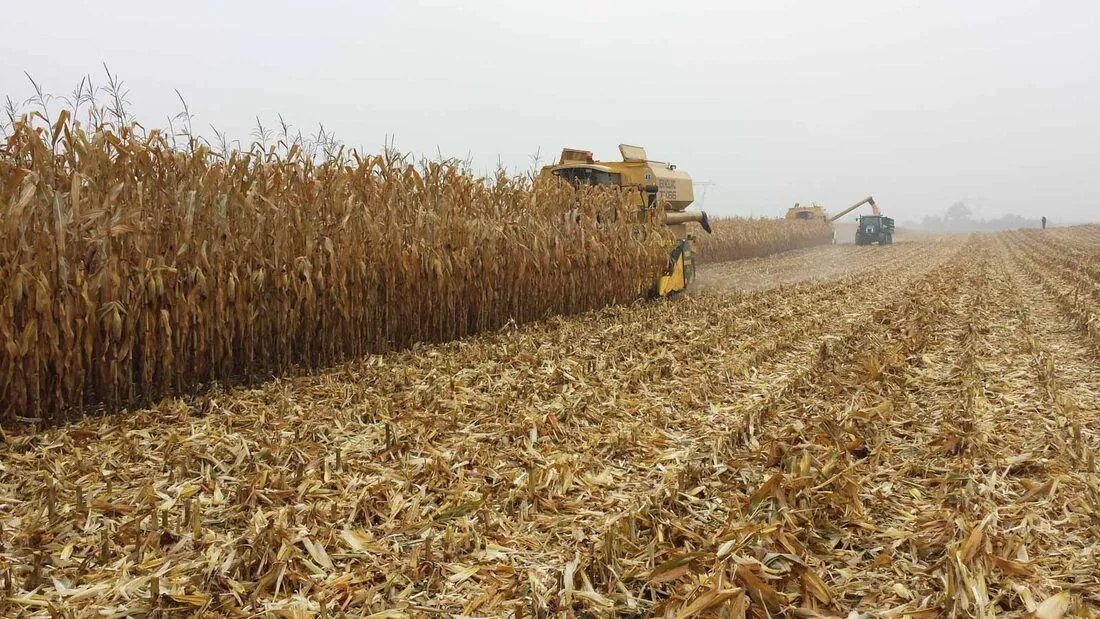
- Undisturbed inter-rows have a higher load-bearing capacity, which protects against ruts during harvest.
Sowing date and fertilisation
Strip sowing allows you to enter the field earlier — often as early as mid-April, because the cultivated strip warms up faster than soil after winter ploughing. That is an advantage of several days, sometimes more than a week, which translates into better use of spring moisture and more stable emergence.
Fertiliser is applied directly into the cultivated strip, below the sowing depth — exactly where maize roots seek nutrients. Precise dosing into the root zone means fertilisation savings of around 30% — with no loss in yield, often even improving it.
Measurable benefits
Results proven in practice on farms using strip-till technology.
precise sub-surface application in the root zone
tillage, fertilising and seeding in a single pass
you cultivate only the seed strip, not the whole field
fewer passes and reduced disturbance of the soil
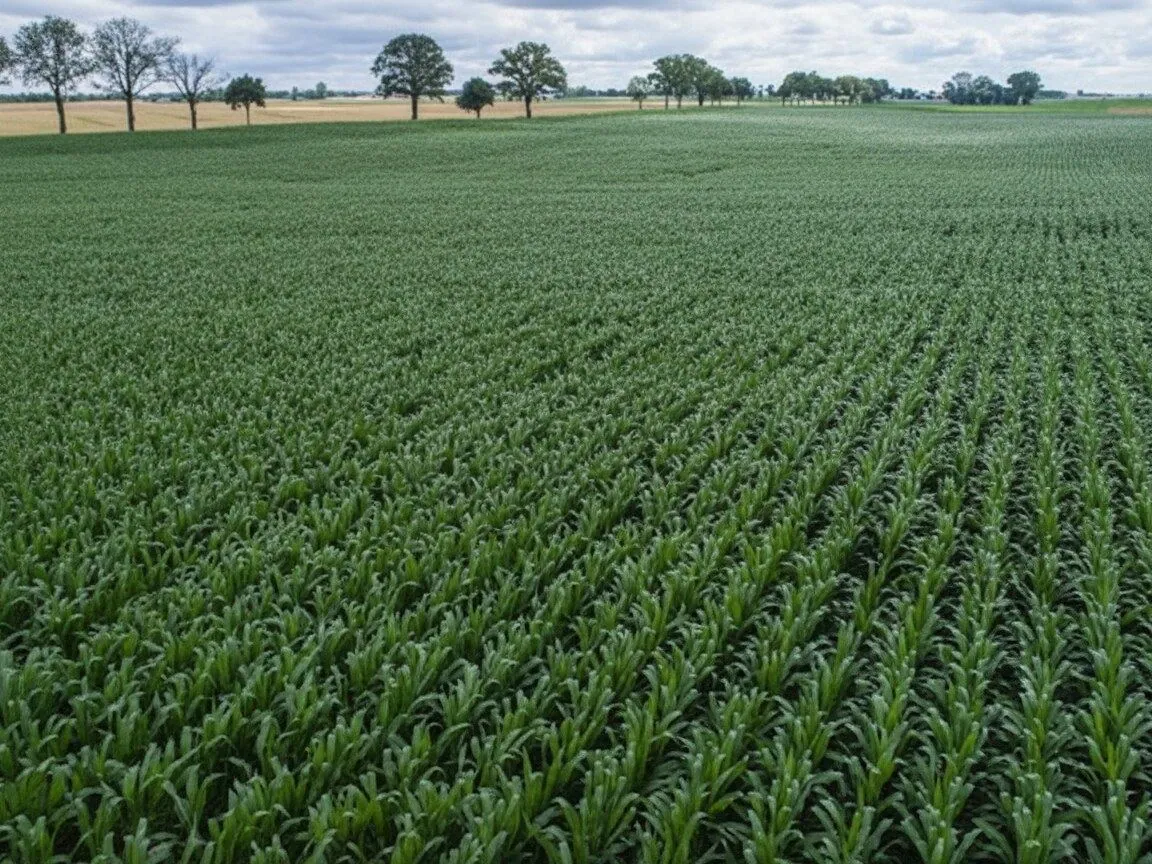
Maize with Czajkowski ST technology
Strip tillage across different crops
Strip-till technology performs well in many crops – from root crops to cereals. Choose a crop to explore the agronomy, benefits and machine selection.

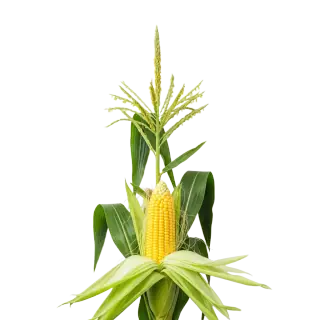




Strip cultivation for maize
Want to implement strip-till in maize cultivation?
Tell us your acreage and soil conditions, and we will select a machine or service for maize cultivation using strip technology — usually the same working day.
Strip cultivation — Maize

Michał Łuciów
Technical sales advisor
What we'll prepare for you
- – a free consultation and machine selection for your acreage
- – an individual quote tailored to your needs
- – information about available models and subsidies
- – technical support and help choosing the configuration