
Sugar beet cultivation
Sugar beet cultivation step by step
Sugar beet cultivation requires careful seedbed preparation, because the plant has high soil requirements and is sensitive to agronomic mistakes. It performs best on fertile, deep and well-drained soils that ensure even emergence and proper root development.
A key stage is proper field preparation and providing a soil structure that favours germination and growth — the soil should be loosened and well aerated. Sugar beet reacts poorly to crusting and compaction in the soil profile, which can restrict root development and the uptake of water and nutrients.
Sowing usually takes place in early spring, when the soil reaches about 8–10°C. The sowing itself must be carried out precisely, maintaining the correct depth (approx. 2–3 cm) and even seed distribution.
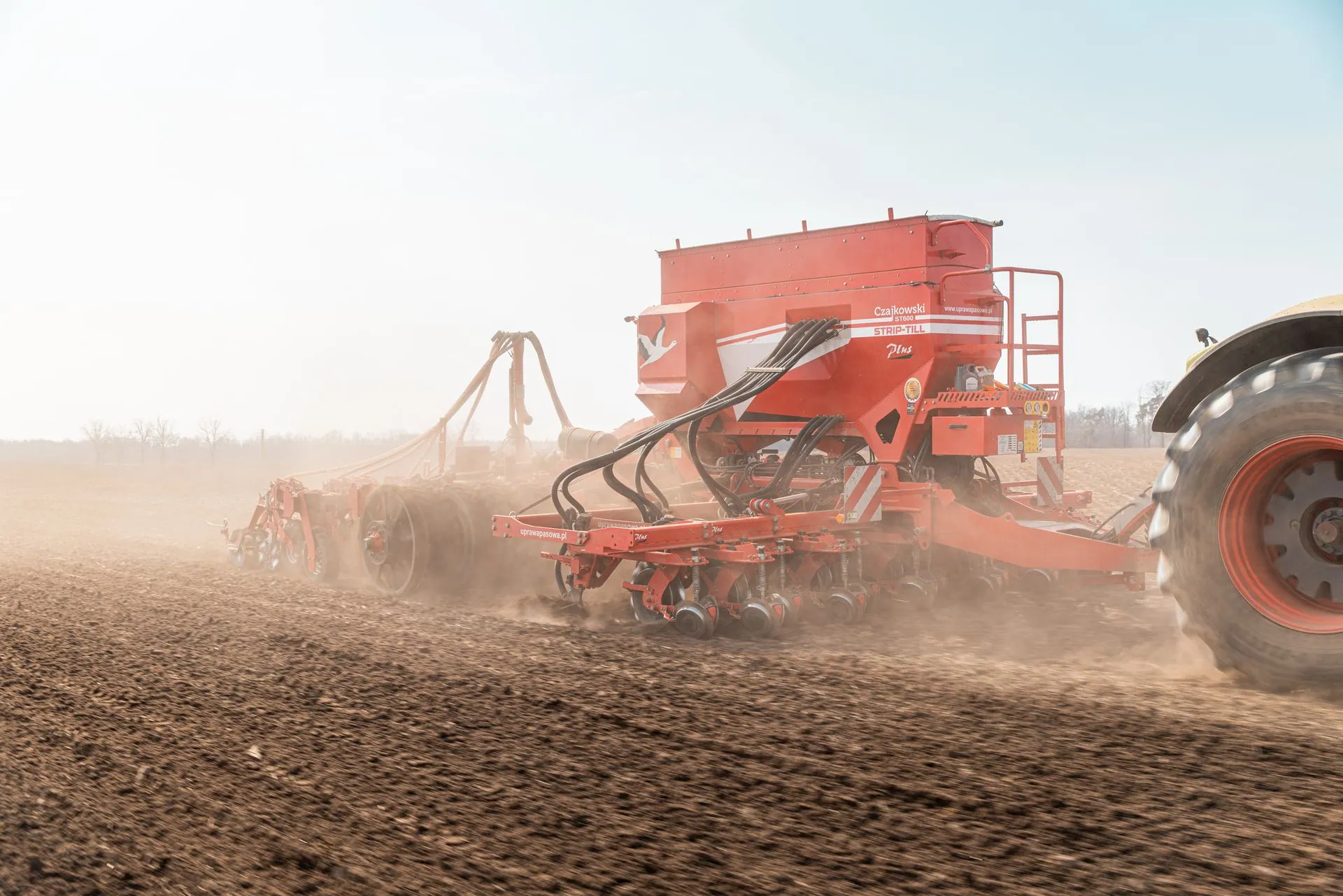
How does strip-till work in beet cultivation?
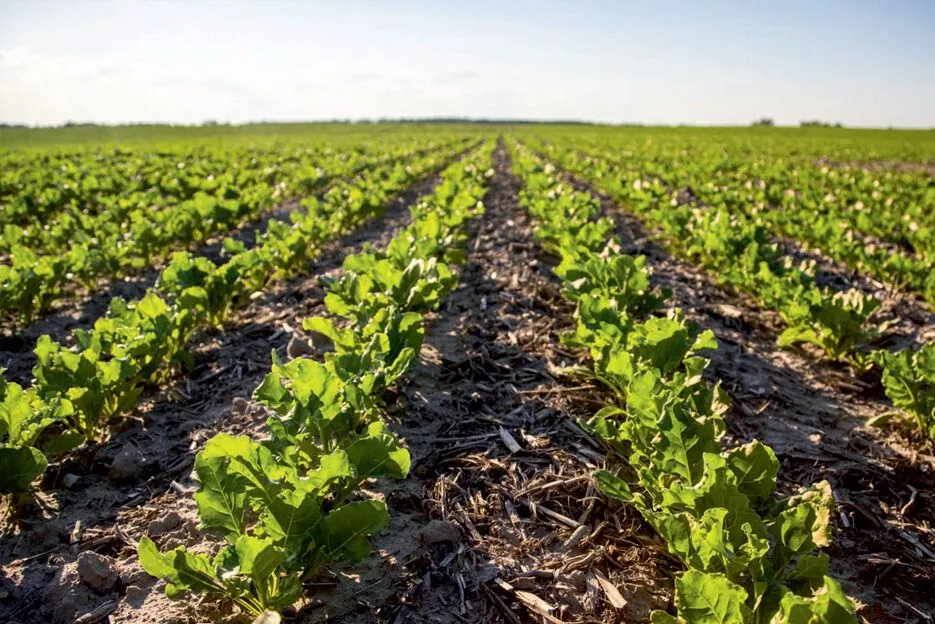
Instead of working the entire field surface, the Czajkowski ST unit processes only narrow strips of soil — exactly where the seed will land. Sugar beet is grown in rows every 45 cm, so it occupies just 22% of the field surface. The remaining nearly 80% of the field stays undisturbed and covered with mulch that retains moisture.
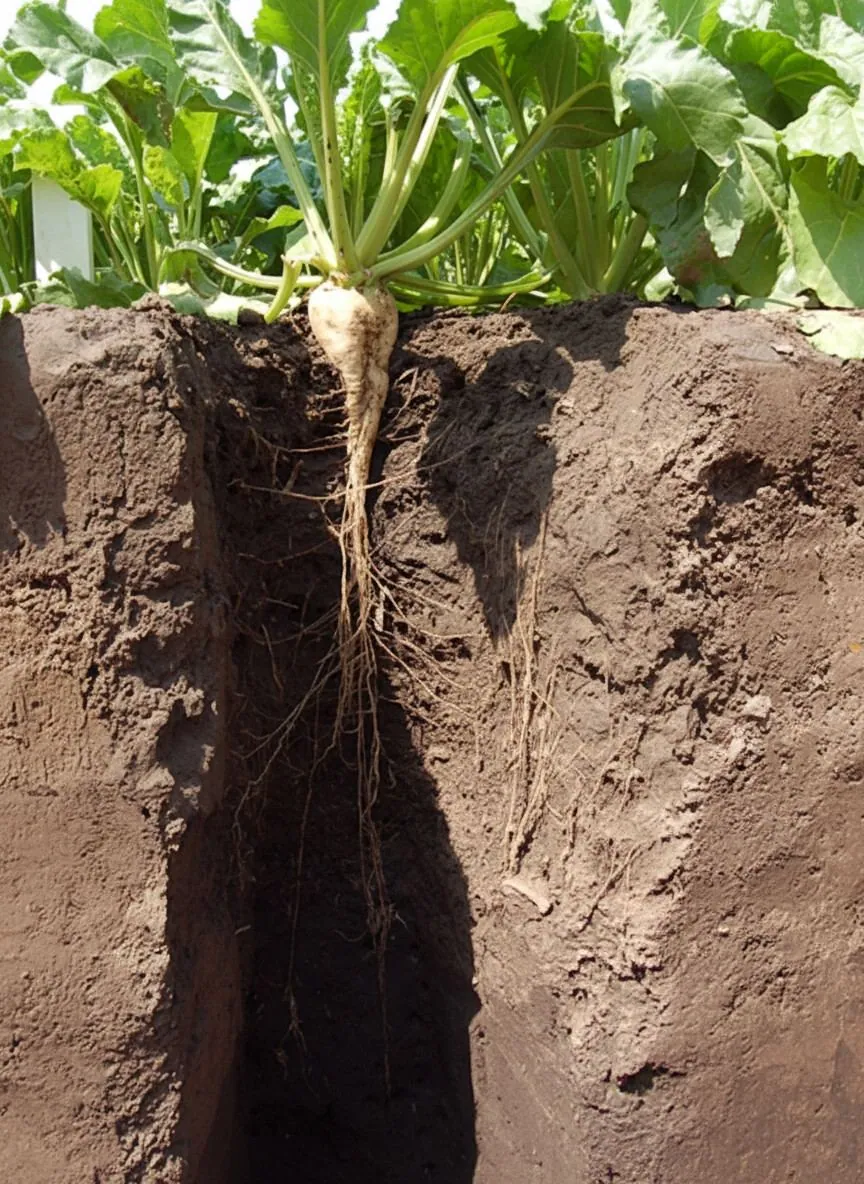
Using universal 60 mm wide chisels working to a depth of up to 35 cm, the soil is loosened and aerated. Fertilisers are applied directly beneath the plant, exactly where the roots reach — spring application stimulates root growth deep into the soil, which translates into yield mass and quality.
The result: faster warming of the cultivated soil strip and ideal conditions for rapid root growth.
Soil requirements and growing conditions
Sugar beet grows best on deep soils rich in humus, with a well-regulated pH (6.5–7.2) and a high water-holding capacity. In strip cultivation the soil works in your favour on its own, thanks to the design of the unit:
- Chisels working to 35 cm loosen the subsoil without inverting the soil layers.
- Mulch covering nearly 80% of the field surface stores water and prevents it from evaporating.
- The biological life of the soil — earthworms, microorganisms — remains undisturbed in the inter-rows.
- Channels dug by earthworms make it easier for water to penetrate deep into the soil profile.
- No crusting or wind erosion — the soil keeps its crumb structure throughout the season.
Fertilisation, profitability and yield quality
In strip cultivation, fertilisation is integrated with the tillage operation — the Czajkowski ST unit applies fertiliser directly beneath the plant, at the optimum depth, in a single pass. By reducing the fertiliser dose by about 30% you achieve a comparable or higher yield.
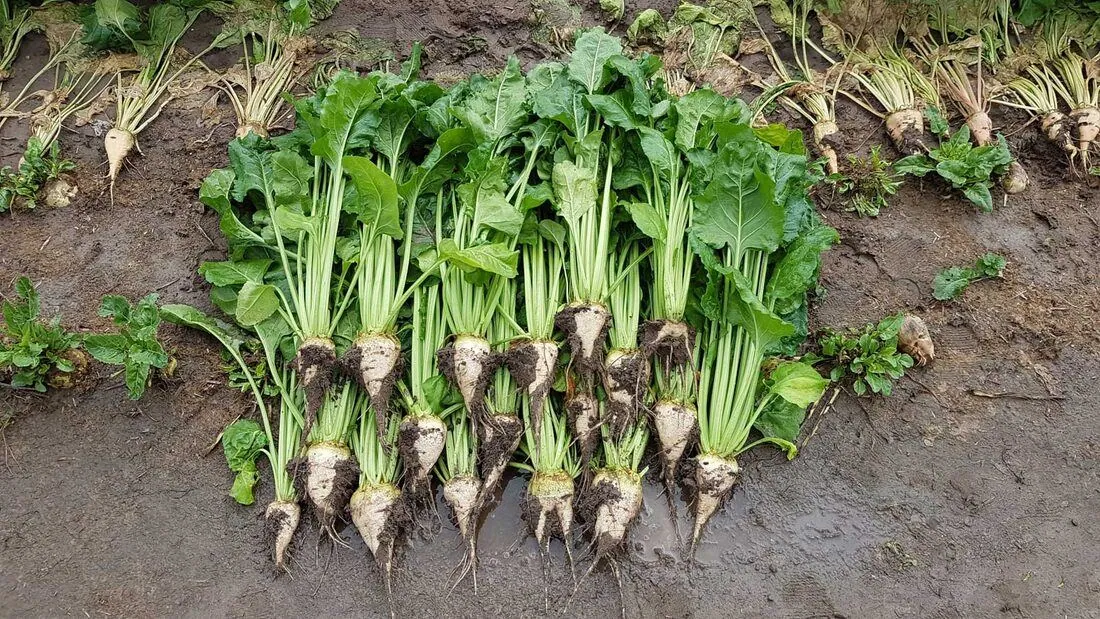
Beets grow evenly, without excessive root heaving, which limits losses during harvesting. The uncultivated inter-rows provide better soil load-bearing capacity, so harvesting is possible even in difficult, wet conditions without creating ruts. The ploughless system can cut working time by up to 70%.
Measurable benefits
Results proven in practice on farms using strip-till technology.
precise sub-surface application in the root zone
tillage, fertilising and seeding in a single pass
you cultivate only the seed strip, not the whole field
fewer passes and reduced disturbance of the soil
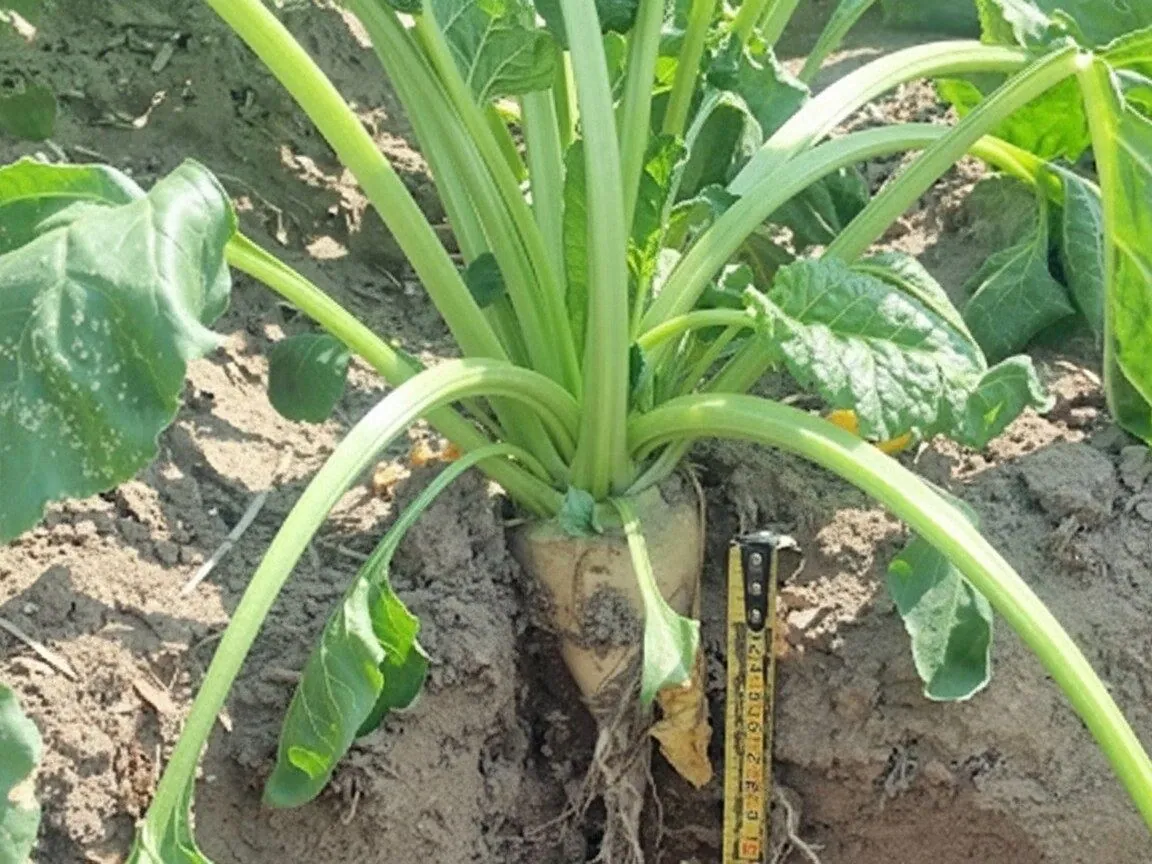
Sugar beet with Czajkowski ST technology
Strip tillage across different crops
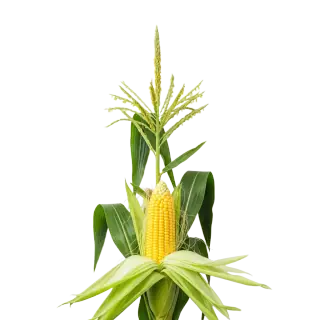
Strip-till technology performs well in many crops – from root crops to cereals. Choose a crop to explore the agronomy, benefits and machine selection.





Strip cultivation for sugar beet
Want to implement strip-till in sugar beet cultivation?
Tell us your acreage and soil conditions, and we will select a machine or service for sugar beet cultivation using strip technology — usually the same working day.
Strip cultivation — Sugar beet

Michał Łuciów
Technical sales advisor
What we'll prepare for you
- – a free consultation and machine selection for your acreage
- – an individual quote tailored to your needs
- – information about available models and subsidies
- – technical support and help choosing the configuration