
Oilseed rape cultivation
Step by step — how and when to sow winter oilseed rape?
The sowing date of winter oilseed rape is one of the most important factors determining yield. In Polish conditions, traditional-technology sowing most often falls between about 10 and 25 August. The plant must manage to form an adequate leaf rosette before winter — sowing too late means weaker rooting and a greater risk of winterkill.
Czajkowski ST technology offers greater flexibility — because cultivation, fertilisation and sowing take place in a single pass, it is possible to enter the field more efficiently and make better use of the optimum agronomic window, even up to 5 September if PK ammonium phosphate and DAP are used.
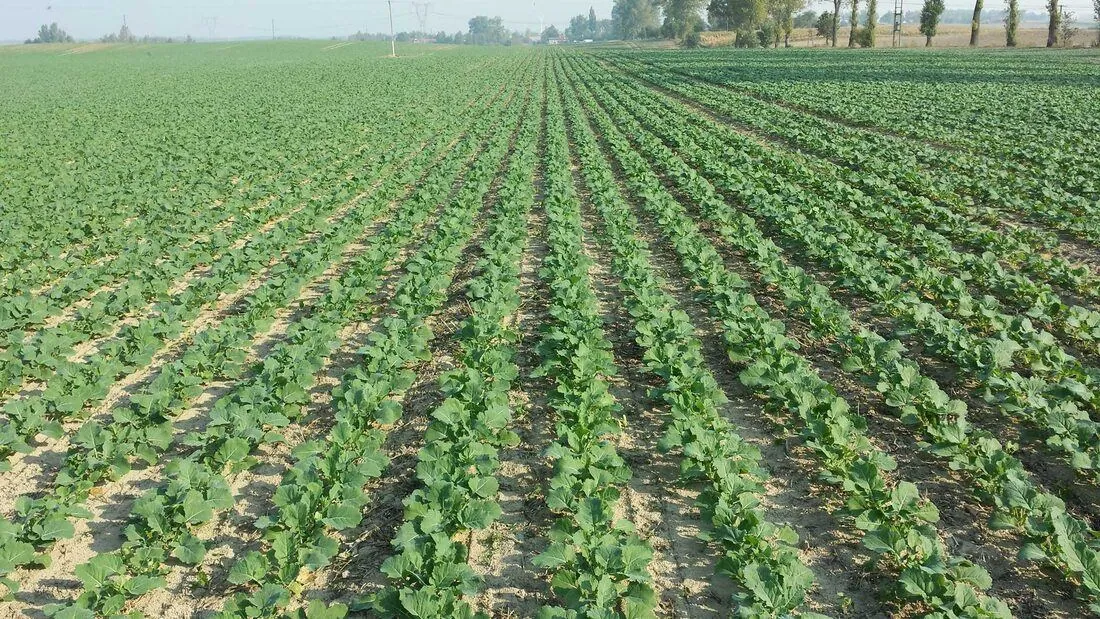
Where to start with winter oilseed rape cultivation?
Oilseed rape cultivation begins with a correct harvest of the previous crop. Evenly distributed and well-chopped crop residues across the full working width of the combine are the first step to success — cutting the straw as low as possible is an important rule here.
The next step is variety selection. The best choice is hybrid winter oilseed rape varieties, which perform very well when sown at wide spacings. Their strong lateral branching accounts for nearly 70% of the yield — in strip sowing each plant has the space it needs for full development.
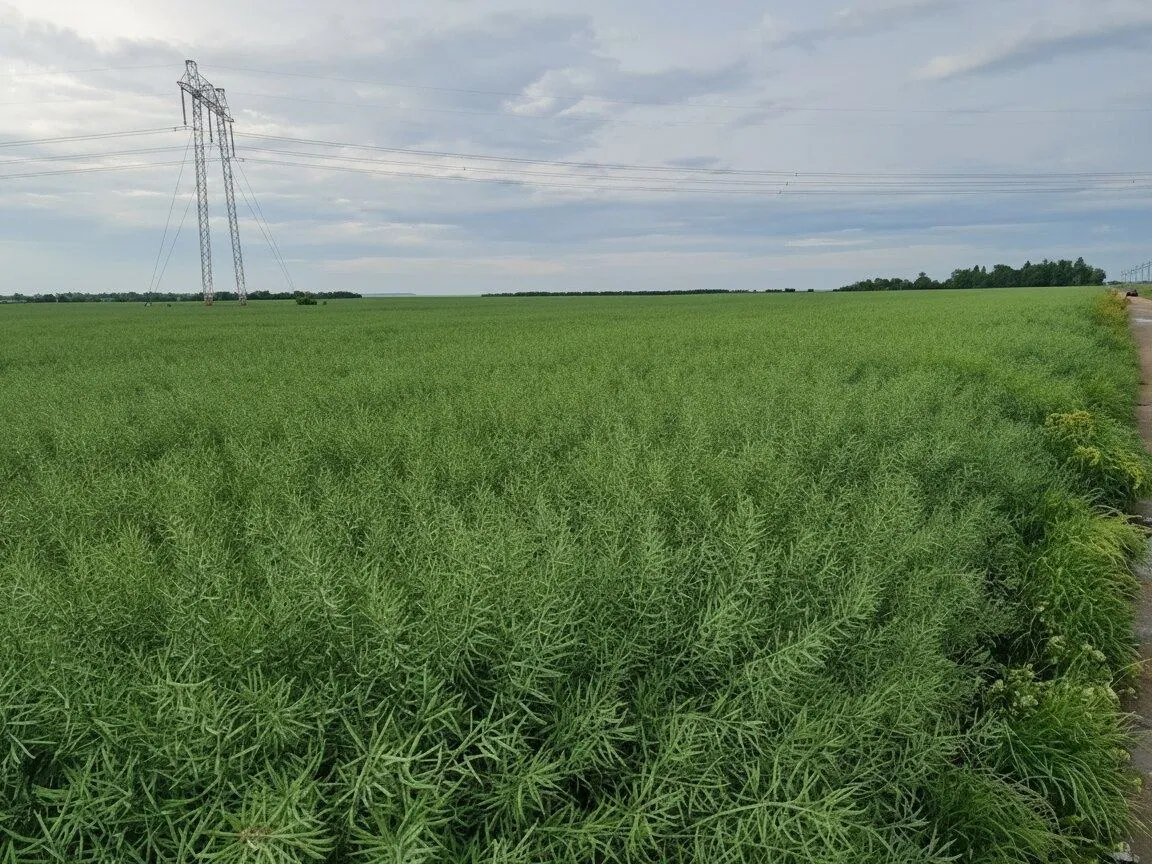
Strip sowing of oilseed rape — from farmer to farmer
In a single pass the machine loosens a narrow strip of soil to a depth of up to 35 cm, applies starter fertiliser directly into the root zone and sows — using a PS attachment or a dedicated precision seeder.
When switching to strip-till, plant density is reduced — fewer seeds are sown per hectare, because each plant has more room to branch. Reducing density by 20–30% does not lower the yield, often even improves it. Similarly, the starter fertiliser dose is cut by 20–30%, which means major savings.
Cultivation, fertilisation and sowing of oilseed rape are carried out in a single pass — the key to keeping to optimal agronomic dates.
Growing conditions and protection against winterkill
Winter oilseed rape requires soil with good structure, a regulated pH and adequate moisture during emergence. Strip-till technology meets these requirements precisely:
- Deep strip cultivation (up to 35 cm) provides an ideal seedbed in a narrow strip.
- Mulch from crop residues retains moisture in the soil — crucial when sowing in August and September.
- Vertical loosening does not mix the layers — microorganisms and soil structure remain undisturbed.
- Uncultivated inter-rows have a higher load-bearing capacity — harvest without ruts even in autumn rains.
- Mulch surrounds the root collar, cushioning temperature swings — a lower risk of winterkill and frost scorch.
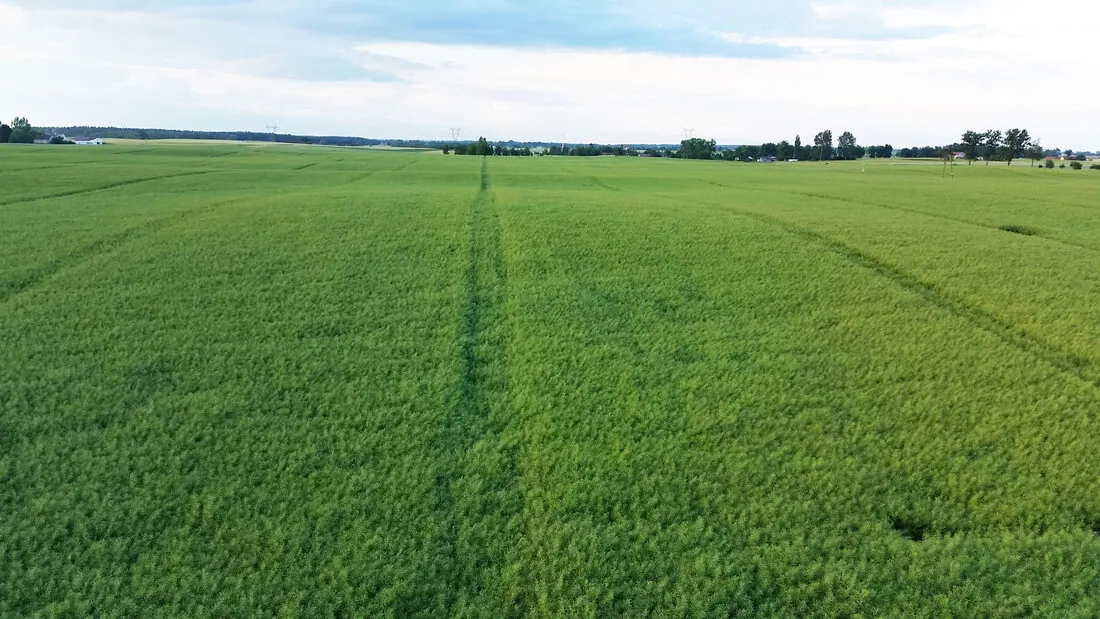
Measurable benefits
Results proven in practice on farms using strip-till technology.
precise sub-surface application in the root zone
tillage, fertilising and seeding in a single pass
you cultivate only the seed strip, not the whole field
fewer passes and reduced disturbance of the soil
Oilseed rape with Czajkowski ST technology
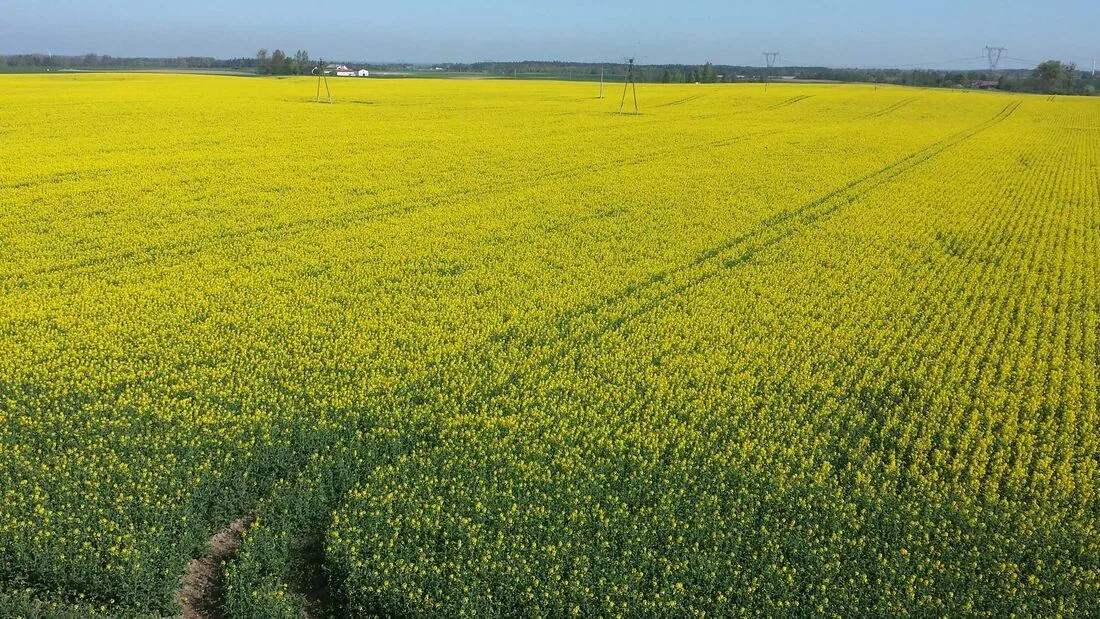
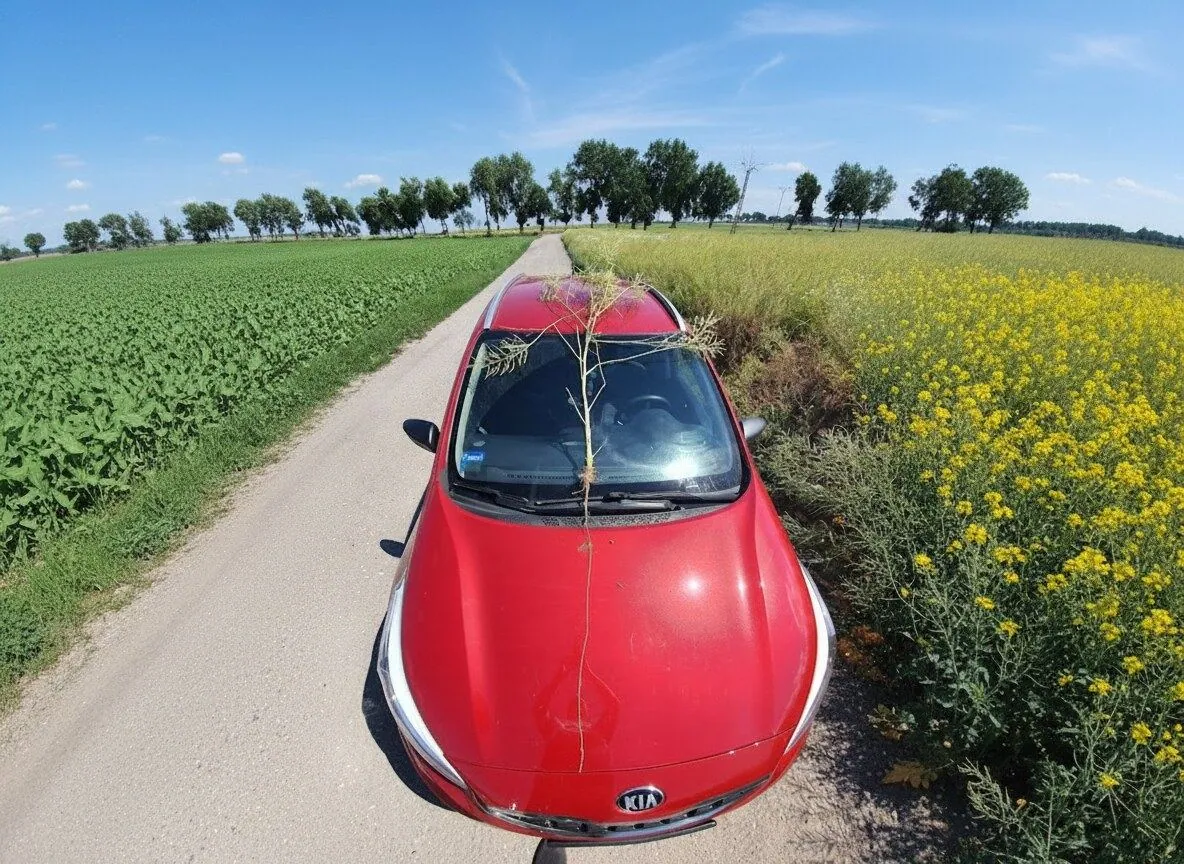
Strip tillage across different crops
Strip-till technology performs well in many crops – from root crops to cereals. Choose a crop to explore the agronomy, benefits and machine selection.

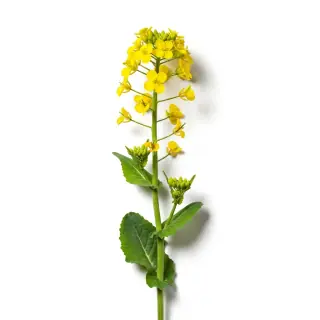


Strip cultivation for oilseed rape
Want to implement strip-till in oilseed rape cultivation?
Tell us your acreage and soil conditions, and we will select a machine or service for oilseed rape cultivation using strip technology — usually the same working day.
Strip cultivation — Oilseed rape

Michał Łuciów
Technical sales advisor
What we'll prepare for you
- – a free consultation and machine selection for your acreage
- – an individual quote tailored to your needs
- – information about available models and subsidies
- – technical support and help choosing the configuration