
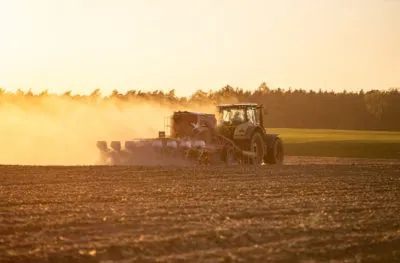
The most common mistakes before sowing in strip-till technology
Mistakes in field preparation
Preparation for sowing in strip-till technology begins already during the harvest of the previous crop. Poor chopping and distribution of straw is the most common source of later problems.
Unevenly distributed crop residues hinder the work of the sowing sections and can lead to the machine clogging. Good performance of the combine header is crucial here.
The second common mistake is working on overly wet soil, which, instead of loosening, becomes smeared and compacted in the walls of the strip.
Poor crop-residue management
Straw that is too long or concentrated blocks the working sections and worsens seed-to-soil contact. Even chopping is the basis of successful strip sowing.
It is worth ensuring even spreading of chaff and cut straw across the entire working width of the combine already during harvest.
Good residue management lets you fully exploit the benefits of mulch without technical difficulties.
Working at the wrong moisture
Entering dried-out, compacted soil increases resistance and fuel consumption and worsens the quality of strip loosening.
Conversely, working on an overly wet field leads to smearing of the strip walls and the formation of compactions that limit root development.
Optimal moisture allows the soil to "cut" evenly, creating an ideal bed for the seeds.
Mistakes in setting up the machine
Even the best machine requires correct adjustment. Errors in setting the depth and pressure of the sections directly affect the quality of emergence.
Working too shallow will not break up compactions, while working too deep needlessly increases fuel consumption and disturbs the profile.
Regular checking of settings in the field, not just in the yard, is a habit that pays off with a higher yield.
Incorrect sowing depth
Every crop has an optimal seed placement depth that must be strictly observed.
Sowing too deep delays and weakens emergence, while sowing too shallow exposes the seeds to drying out.
Constant depth control across different parts of the field eliminates this common mistake.
Mismatched starter fertilisation
Fertiliser placed too close to the seed can damage it through the salinity effect in the germination zone.
Correctly placed starter fertiliser sits below and beside the seed, available to the young roots.
Good setup of the fertiliser section is one of the pillars of a successful plantation start.
FAQ – Frequently asked questions
Where should preparation for strip-till sowing begin?
Already at the harvest of the previous crop – even chopping and distribution of crop residues is key, as it forms the basis of good work of the strip unit.
What is the most common mistake made by beginners?
Working at the wrong soil moisture and the lack of ongoing control of section depth and pressure directly in the field.