
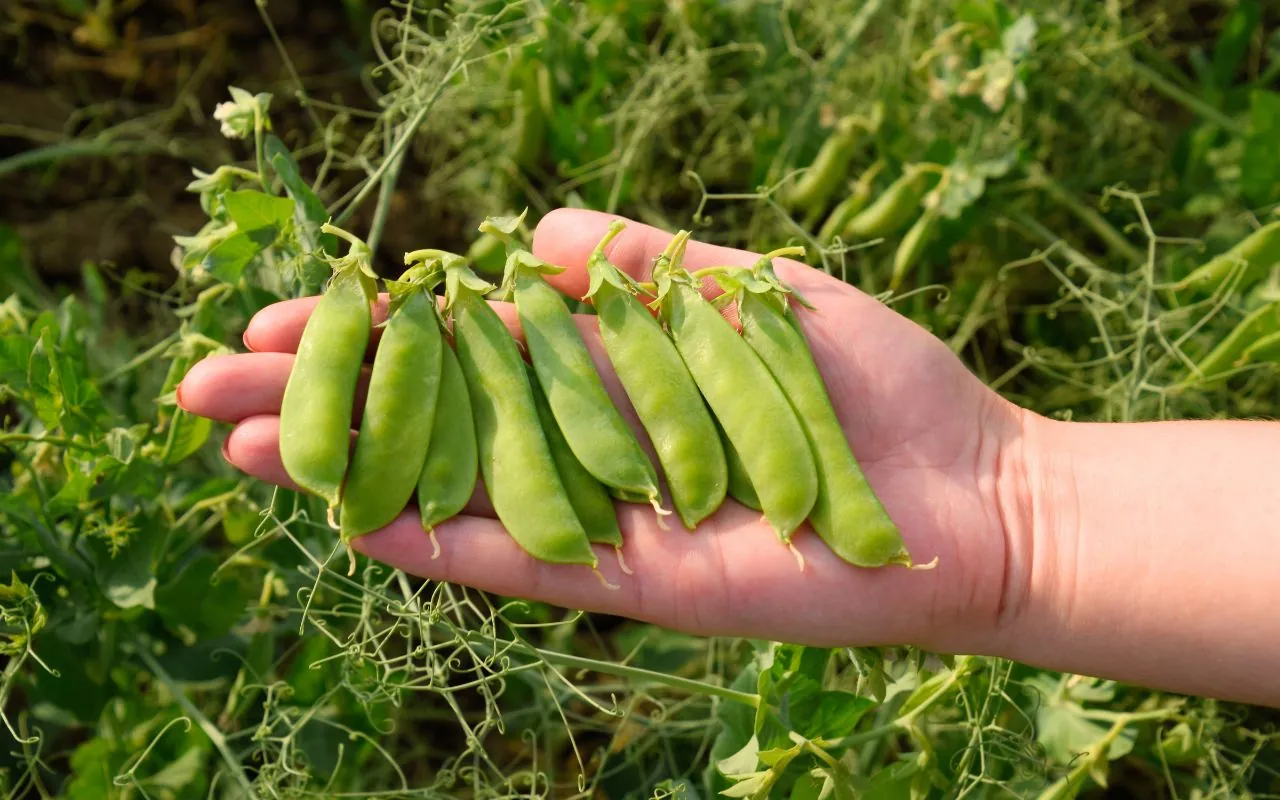
Macronutrient distribution and pea yield in strip-till cultivation
What the study was about
A scientific publication analyses the spatial distribution of macronutrients in the soil and their uptake by field pea plants grown with strip-till technology. It is a valuable scientific voice in the discussion about strip-till.
The researchers compared the distribution of nutrients in the cultivated strip and in the inter-row, which helps to understand how precise fertilisation affects plant nutrition.
The full text of the article is available in the scientific journal MDPI Agronomy at mdpi.com/2073-4395/14/4/711.
Nutrient distribution in the soil profile
In strip-till, macronutrients concentrate in the loosened strip, exactly where the plant's root system develops. This increases the efficiency of their uptake.
The study revealed clear differences in soil fertility between the cultivated strip and the inter-row, which confirms the value of localised fertiliser application.
Such a distribution limits nutrient losses and favours their economical use by the plant.
Nutrient uptake by pea
Pea, as a legume, cooperates with nodule bacteria, but it still requires readily available phosphorus and potassium in the root zone.
Localised fertilisation in strip-till makes it easier for plants to access these elements at the early stages of development.
Efficient nutrition translates into better pod setting and a higher seed yield.
Conclusions for farming practice
The research results confirm that strip-till allows nutrients to be managed precisely and their losses to be limited. This is both an economic and an environmental argument.
For the farmer this means the ability to optimise fertiliser doses without the risk of lowering the pea yield.
Scientific confirmation of the benefits of strip-till strengthens the position of this technology in modern, sustainable agriculture.
Economic benefits
Precise fertilisation reduces the amount of fertiliser used, which directly lowers production costs per hectare.
Higher efficiency of nutrient use means a better return on every złoty invested in fertilisation.
Across the whole farm these differences add up to significant savings over the season.
Environmental benefits
Reducing losses of nitrogen and phosphorus decreases the risk of eutrophication of ground and surface waters.
Less interference with the soil protects its structure and biological life, building long-term fertility.
This approach fits the requirements of modern, responsible agricultural production.
FAQ – Frequently asked questions
Where can I find the full scientific publication?
The full text of the article was published in the journal MDPI Agronomy and is available at mdpi.com/2073-4395/14/4/711.
Does strip-till work well with legumes?
Yes, research on pea confirms that localised fertilisation and protection of the soil structure support the development and yield of legume crops.