
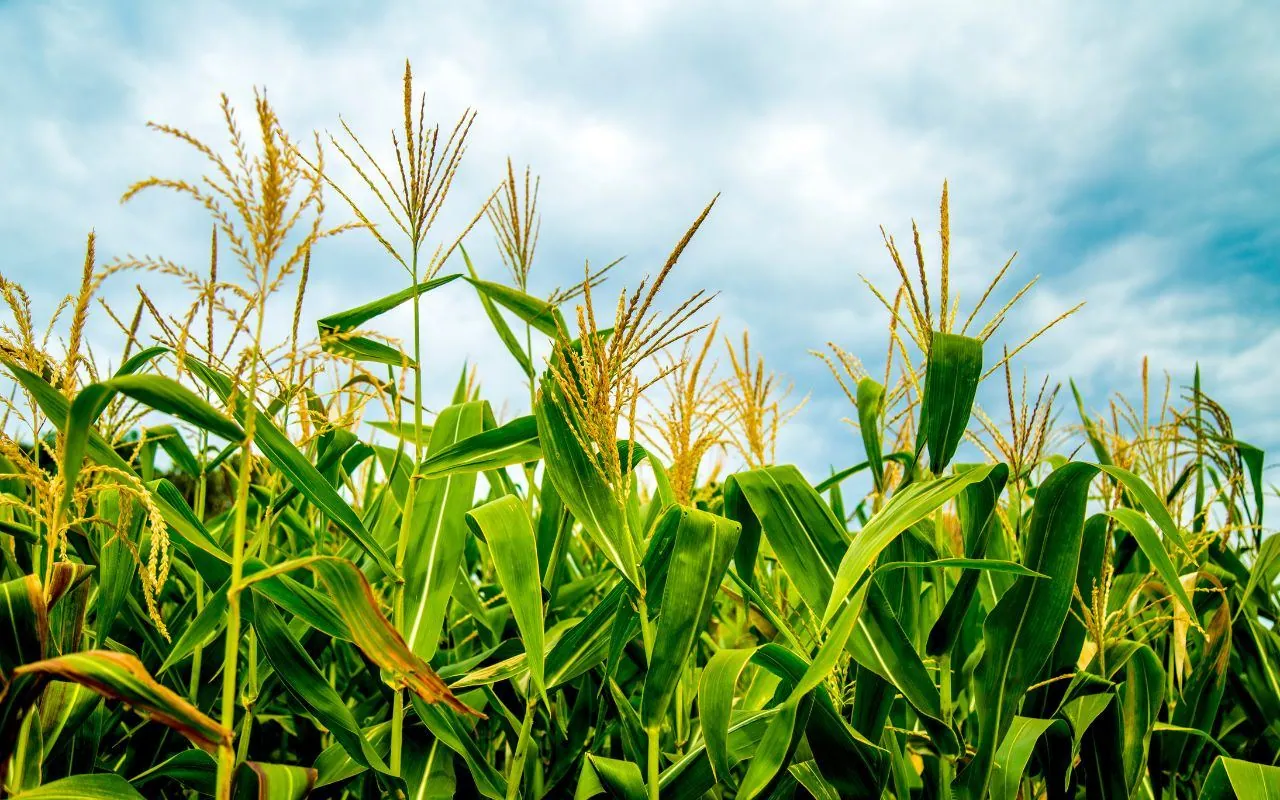
Maize cultivation in Poland – soil requirements and fertilisation
Soil requirements of maize
Maize is a crop with high thermal and nutritional requirements, yet at the same time very adaptable to different soils. The key to a high yield is warm, well-aerated soil that is rich in water in the root zone.
Strip Till technology answers these needs perfectly, because the loosened strip warms up faster in spring than soil under ploughing. A warm profile accelerates emergence and evens out the plantation.
Inter-rows covered with crop residues limit evaporation, which is important during the period of maize's critical water demand at flowering.
Optimal pH and soil structure
Maize yields best at a soil pH in the range of 6.0–6.8. On acidic soils the availability of phosphorus and micronutrients drops drastically, limiting root development.
A good crumb structure provides the plant with oxygen and allows the root system to develop freely deep into the profile. Strip-till builds this structure without disturbing the entire field surface.
Avoiding the plough pan is crucial here – a compacted layer blocks roots and access to water in the deeper layers.
Preparing the field for sowing
In the strip system, preparation is limited to precise loosening and fertilisation of the strip where the maize row will appear. That saves time and fuel.
Starter fertiliser placed beneath the seed gives the plant energy for the first weeks of growth, before the root system reaches deeper.
Precise sowing into a warmed strip translates into even emergence, which is the foundation of a high maize yield.
Fertilising maize
Maize takes up large amounts of nitrogen, potassium and phosphorus, so the fertilisation programme must be well balanced. In strip-till the fertiliser goes precisely where the roots develop.
Localised application limits nutrient losses and increases the efficiency of fertiliser use. Fewer nutrients escape beyond the plant's reach.
As a result, the total fertiliser dose can be reduced while maintaining, and often improving, the yield level.
Starter fertilisation
Phosphorus applied close to the seed stimulates root development and the young plant's resistance to cold. It is an investment in a fast, strong start of the plantation.
In strip-till we place the starter fertiliser below and beside the seed, which eliminates the risk of salinity in the germination zone.
The result is an even crop stand that is easier to manage agronomically throughout the season.
Nitrogen fertilisation during the season
We split nitrogen into a base dose and a top-dressing, adjusting it to the growth phase and soil fertility. Maize needs the most nitrogen during the phase of intensive growth.
In strip-till the deeply placed nitrogen is protected from leaching and remains available to the growing roots.
Monitoring the nutrition status allows doses to be precisely corrected and avoids both deficiency and waste.
FAQ – Frequently asked questions
Is maize suitable for strip-till cultivation?
Yes, maize is practically a model crop for strip-till. The wide row spacing and high thermal requirements harmonise perfectly with the warming strip and localised fertilisation.
How does strip-till affect maize water use?
Crop residues in the inter-rows limit evaporation and improve retention, so maize copes better with drought periods during the critical flowering phase.